
Festivals and Traditions in Hungary: A Cultural Calendar for New Students

Ahsan Naseem
15 min read
2 Comments
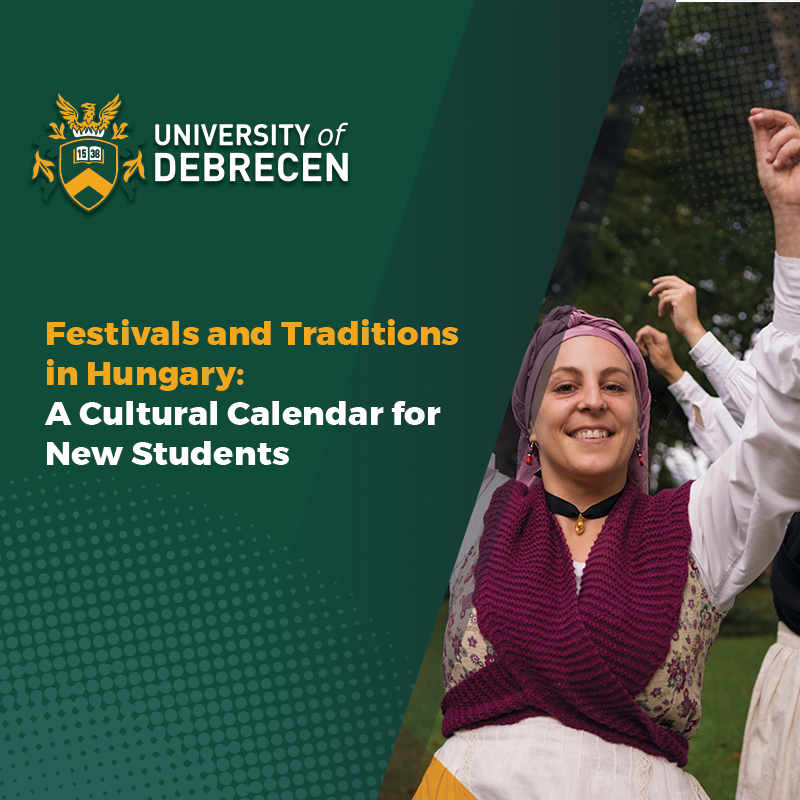
Starting university in a new country can feel exciting and scary at the same time. Everything feels different at first. The weather, the food, the streets, and even the way people celebrate can seem new. That is why learning about Festivals and Traditions in Hungary can help students feel more at home from the very beginning.
Festivals are not only about music, food, or big events. They also show how people remember history, celebrate faith, spend time with family, and enjoy life together. In other words, they give a real picture of daily life in the country. Because of that, they are a useful part of understanding Hungary for international students.
Students often learn many things inside the classroom. However, they understand a country more deeply when they step outside and immerse themselves in local life. This is where festivals become special. They help new students see the heart of the country in a simple, memorable way.
For students planning to study in Debrecen, this matters even more. Knowing the culture in Hungary for international students can make the move smoother and help them feel connected to both the city and the university community.
Understanding the Hungarian Cultural Year
Before exploring individual celebrations, it helps to understand how the Hungary cultural calendar is shaped throughout the year. Hungary has a rich and balanced mix of old customs, national remembrance days, and modern events. Because of this, the country’s yearly calendar offers much more than simple holidays.
Hungary’s celebrations come from many parts of its history and identity. Some reflect major moments in the nation’s past. Others come from religion, family customs, or local community traditions. At the same time, modern cities now host large music, food, and arts festivals that attract young people from around the world.
Here are the main types of celebrations students will notice:
- Public holidays are official national days when schools, offices, and many shops may close. These often honor important moments in Hungarian history.
- Folk traditions are older customs passed down through generations. They often include traditional clothing, music, dancing, and local rituals.
- Seasonal celebrations are tied to times of the year, especially spring and winter, and many are connected to Easter or Christmas.
- Modern festivals include music festivals, food fairs, city celebrations, and cultural events popular with young people.
Some public holidays in Hungary happen on the same date every year, while others change based on the season. Easter celebrations, for example, move each year because they follow the Christian calendar.
Understanding these Hungarian holiday traditions helps students plan, avoid surprises, and enjoy the many parts of Hungarian culture and traditions during their time abroad.
Spring in Hungary: National Identity and Living Folk Customs
Spring is one of the most meaningful seasons in Hungary because it brings together history, tradition, and community life. During these months, many of the country’s most memorable celebrations take place, giving students a deeper look into national pride and everyday culture.
15 March: National Day and Hungarian Pride
One of the most important dates in Hungary is 15 March, also known as National Day. This holiday remembers the Hungarian Revolution of 1848, when people stood up and fought for freedom, independence, and national rights. Because of its historical meaning, the day holds deep emotional value for Hungarian people.
Across the country, cities hold ceremonies, speeches, and public events to honor the occasion. In larger places such as Budapest and Debrecen, students may see Hungarian flags displayed on buildings, people wearing ribbons in the national colors, and special gatherings in public squares. Museums and cultural spaces may also host programs linked to the day.
Although it is a national holiday, the mood is respectful rather than festive. It is a time for reflection, remembrance, and pride. For new students, watching how Hungary marks this day offers an important lesson in the country’s values and identity. It also helps them understand why history remains such a meaningful part of many Hungarian festivals and public events.
Easter Traditions and the Charm of Hollókő
Easter is another important part of spring in Hungary and brings some of the most loved Hungarian traditions of the year. While many countries celebrate Easter with church services and family meals, Hungary adds unique customs that make the season especially memorable.
One famous Easter tradition is called Locsolkodás, or Easter sprinkling. On Easter Monday, boys and men lightly sprinkle girls and women with water or perfume as a symbol of beauty, health, and renewal for spring. In return, they often receive painted eggs, sweets, or small gifts.
The village of Hollókő is one of the best places to see this tradition come to life. During Easter, locals dress in colorful folk clothing and fill the streets with music, dancing, and handmade crafts. Traditional foods are served, families gather together, and the village becomes a celebration of old village life.
For students, this is one of the best ways to experience the beauty of traditions in Hungary because it shows how history and culture still live in everyday celebrations.
Busójárás: Hungary’s Farewell to Winter
Another one of the most famous traditions in Hungary takes place near the end of winter but leads into the spring season. Busójárás is held in the town of Mohács and is known for its dramatic masks, loud parades, and exciting street performances.
During this celebration, people dress in large wooden masks and wear heavy wool costumes while walking through the streets with drums and noisemakers. The event is meant to scare away winter and welcome the arrival of spring. Because of its cultural value, UNESCO has recognized Busójárás as part of the world’s intangible cultural heritage.
The celebration feels energetic, colorful, and full of life. Families, visitors, and local communities gather together to enjoy the music, costumes, and festive atmosphere. For many students, Busójárás becomes one of the most important festivals in Hungary to witness because it feels unlike anything they have seen before.
Summer in Hungary: Celebration, Music, and City-Wide Energy
Summer is one of the most exciting times of the year in Hungary. The weather becomes warmer, public spaces fill with people, and cities come alive with outdoor events, concerts, and national celebrations. For many students, this season offers the best chance to enjoy some of the most exciting cultural festivals in Hungary while also connecting with local communities.
20 August: State Foundation Day and St. Stephen’s Day
One of the biggest celebrations of summer takes place on 20 August. This day honors the foundation of the Hungarian state and celebrates King Saint Stephen, the country’s first king. Because of its national importance, it is one of the most important public holidays in Hungary.
What students can expect on this day:
- Large public celebrations in cities across the country
- Hungarian flags and decorations in the streets and public buildings
- Special ceremonies and official speeches
- Traditional bread blessings are part of the celebration
- Evening fireworks and entertainment in major cities
The atmosphere on this day feels joyful, proud, and energetic. Families gather in public squares, people enjoy outdoor programs, and many cities organize concerts or community events. For students, this is one of the largest festivals in Hungary and a perfect chance to see national pride in action.
Debrecen Flower Carnival: A Signature Celebration of the City
One of the most famous summer events in eastern Hungary is the Debrecen Flower Carnival. This celebration is especially meaningful for students who plan to live and study in Debrecen because it is one of the city’s best-known traditions.
The carnival usually takes place around 20 August and transforms the city into a colorful festival space filled with flowers, music, and celebration. It is one of the most loved Debrecen festivals and brings together residents, families, artists, and visitors from across the country.
What makes the event special:
- Giant flower-covered floats move through the streets
- Dance groups and performers join the parade
- Music and live entertainment fill the city center
- Public celebrations continue throughout the day
- The city feels full of pride and community spirit
For students, the Debrecen Flower Carnival offers more than entertainment. It helps them understand the local identity of the city and shows how much pride residents take in their traditions. It is also one of the easiest ways to feel part of the community after arriving in Debrecen.
Student and Youth Festival Culture in Hungary
Alongside national celebrations, Hungary also has a strong modern festival scene. These events show that today’s student life includes both traditional customs and modern entertainment.
Popular youth-focused festivals include:
- Campus Festival in Debrecen, one of the city’s biggest music events
- Sziget Festival in Budapest, one of Europe’s most famous summer festivals
- Open-air concerts, food fairs, and student gatherings in many cities
These modern events are often considered among the best festivals in Hungary for students because they combine music, fun, and social life in one place. They also show how today’s younger generation experiences culture in new ways.
For international students, joining these events can make it easier to meet people, explore the country, and enjoy the social side of student life. This is why many see them as some of the most exciting Hungarian festivals for international students during their time abroad.
Autumn and Winter in Hungary: Memory, Food, and Festive Atmosphere
As the weather grows colder, Hungary enters a season filled with reflection, comfort, and celebration. Autumn and winter may feel quieter than summer, but they still play an important role in the country’s yearly rhythm. During these months, students can experience meaningful remembrance days, seasonal customs, and some of the most heartwarming Hungarian holiday traditions.
23 October: A Day of Remembrance and Reflection
One of the most important dates in autumn is 23 October. This day remembers the Hungarian Revolution of 1956, when people stood up against Soviet control and fought for freedom. Because of this history, the day holds deep national meaning.
What students should know about this day:
- It is a public holiday across Hungary
- People attend memorial ceremonies and speeches
- National flags are displayed in public areas
- Museums and cultural sites may host history-related events
- The mood is respectful and thoughtful rather than celebratory
Unlike other celebrations, 23 October is not festive in a party sense. Instead, it is a day of remembrance and reflection. For students, seeing how Hungary honors this date helps them better understand the country’s modern history and national values.
Harvest, Wine, and Seasonal Traditions
Autumn also brings food and harvest celebrations across the country. These events reflect the farming roots of Hungary and the importance of seasonal gathering in local communities. Many towns host festivals centered around food, wine, and harvest traditions.
Common features of autumn celebrations include:
- Local wine tasting events
- Traditional Hungarian dishes and sweets
- Folk music and dance performances
- Outdoor markets selling handmade goods
- Community gatherings in town squares
These seasonal events show how many Hungarian traditions remain closely tied to food, farming, and local pride. They also give students a chance to explore the regional side of traditions in Hungary beyond major cities.
Advent, Christmas, and Mikulás
Winter in Hungary becomes magical as December begins. Streets fill with lights, markets open in city centers, and families prepare for the holiday season. One special tradition happens on 6 December, known as Mikulás Day, when children place boots near windows and receive sweets or small gifts overnight.
During the Christmas season, students may notice:
- Christmas markets with lights and decorations
- Holiday music in shopping areas and city centers
- Families gathering for meals and celebrations
- Seasonal foods and sweet treats are sold in markets
- A warm and festive atmosphere throughout December
For many international students, this season becomes one of the most memorable parts of studying in Hungary culture because daily life feels especially warm, welcoming, and full of community spirit.
What This Means for Students in Debrecen
Understanding local traditions can make a big difference when moving to a new country. For many students, joining cultural events is one of the fastest ways to feel comfortable in a new environment. Instead of only reading about Hungarian life, students get the chance to experience it for themselves.
For those planning to begin their study in Debrecen Hungary, taking part in local celebrations can help make the city feel like home much sooner. Festivals create moments where students can meet people, explore the city, and better understand how local communities live and celebrate together.
Here is why cultural participation matters for new students:
- It helps students feel less like visitors and more like part of the community
- It creates natural chances to meet local people and other international students
- It builds confidence when adjusting to a new culture
- It makes everyday life outside class more meaningful and memorable
Debrecen offers much more than classrooms and lecture halls. The city gives students the chance to enjoy public celebrations, seasonal markets, concerts, and cultural events throughout the year. This is a major part of student life in Debrecen and adds excitement to the academic experience.
Joining local events can also improve the University of Debrecen student life by helping students build friendships outside of their studies. Many international students find that shared experiences at festivals lead to stronger friendships and better connections with classmates.
For many newcomers, this becomes one of the best parts of international student life in Hungary. It helps them understand local values, enjoy new traditions, and gain a clearer picture of what to expect living in Hungary as a student. In the end, cultural experiences often shape the most memorable parts of life in Hungary for students.
Practical Tips: How New Students Can Experience Festivals Respectfully and Affordably
Taking part in local celebrations can be one of the most exciting parts of living abroad. However, planning can make the experience smoother, safer, and more enjoyable. For many people exploring Hungary for international students, small steps like these help them enjoy events with confidence.
Helpful tips for students include:
- Check public holiday dates in advance because shops, transport, and businesses may follow different schedules
- Book travel early if you plan to attend large events, since trains and buses can fill quickly during major celebrations
- Dress for comfort and the weather because many festivals involve outdoor walking and standing for long periods
- Respect local customs during memorial days and historical events, where the mood may be serious and reflective
- Attend with friends or student groups when possible, since festivals can feel more enjoyable and safer in groups
- Visit official event websites before attending to confirm ticket prices, times, and schedule updates
Learning how to prepare for local events helps students enjoy the most important festivals in Hungary while staying comfortable and respectful. It also adds confidence and enjoyment to everyday student life in Hungary.
Start Your Hungarian Journey with Confidence
Experiencing local celebrations is one of the best ways to understand a new country beyond the classroom. From national holidays and folk customs to music festivals and seasonal traditions, the many Festivals and Traditions in Hungary offer students a deeper look into the country’s values, history, and everyday life. For international students, these moments often become some of the most memorable parts of living abroad.
By learning about local customs and taking part in community events, students can build friendships, feel more connected, and gain a better understanding of Hungarian society during their time abroad.
Key Takeaways
- Hungary’s cultural calendar includes national holidays, folk customs, seasonal traditions, and modern city festivals
- Each season offers unique experiences that help students connect with local life
- Debrecen provides students with access to both city-wide celebrations and a welcoming academic environment
- Joining cultural events can improve confidence, friendships, and overall student experience abroad
- Understanding traditions helps students prepare for life in a new country more smoothly
Let the South Asia Regional Office Support Your Journey
If you are planning to study at the University of Debrecen, our South Asia Regional Office is here to guide you through every step of the process.
We support future students by helping with:
- Admission guidance and application support
- Document preparation and assessment
- Personalized counseling for study options
- Answers to questions about student life and moving abroad
Starting your international education journey can feel overwhelming, but you do not have to do it alone.
Contact the South Asia Regional Office today and take the first step toward your future at the University of Debrecen.